Posts

Image
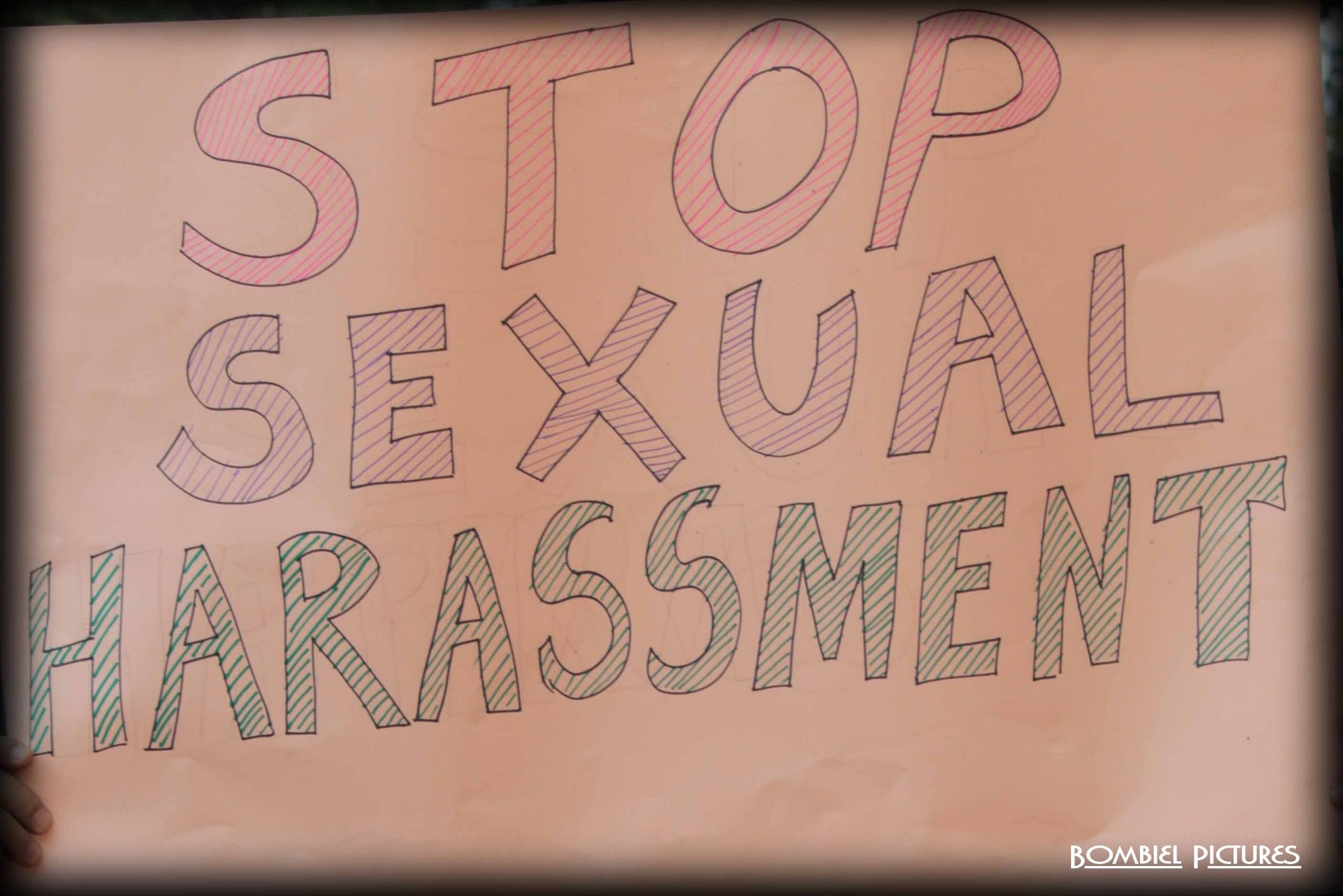
Ujanmaidan – where 14 tribal women were raped in 1988 Submitted by  admin4  on 10 January 2011 - 5:05pm Articles   Indian Muslim   Women By Anjuman Ara Begum, TwoCircles.net, ‘The Assam Rifles raided the Ujanmaidan village of Khoyai sub-division situated in West Tripura in 1988 to search for the militants. During this operation 14 tribal women were raped.’ A joint statement dated 17th Jan. 2005 of women’s groups against Armed Forces (Special Powers) Act, 1958 (AFSPA) stated that the Northeast India’s most widely known incidents of excesses are the horror of army torture and violence against the villagers of Oinam (Manipur) in 1987; the gang rape of the women of Ujanmaidan (Tripura) by security forces in 1988; the terror wreaked by the army in Assam during Operation Rhino in 1991; the shelling of the town of Ukhrul (Manipur) with mortars in May 1994; and December 1994 on Mokokchung (Nagaland), indiscriminate firing on civilians by armed forces personnel when a tyre...
Image
Narratives of D-voters in Assam Submitted by  admin4  on 3 January 2011 - 4:15pm Indian Muslim By Anjuman Ara Begum, TwoCircles.net, Guwahati: Anath Bandhu Biswas, son of Late Kishori Mohan Biswas and a resident of village Borpayek II, Nellie, Assam, served the Home Ministry as CRPF jawan from 1975 to 1997. He took voluntary retirement to be with his family. ‘I was a government employee but now a Doubtful voter [or D-voter] since 1996. I am originally from Tripura. In 1983, during the Nellie massacre, I was posted here in Nellie. I liked the place and got married here and started living here. I have cast vote before 1996. I have one son and one daughter and they are not D-voters,’ says 52-year-old Anath Biswas. His wife, Arati Biswas is also a D-voter. She said: ‘My father Narayan Mondol was a carpenter. I was born and brought up here and I don’t know why I am a D-voter’. Many D-Voters or doubtful voters informed that in Assam, the voter list enumerated D-Voters in 1996. D-vo...
Image
2010: A year of panic and alarm for women in North East India Submitted by  admin4  on 2 January 2011 - 4:34pm Articles   Indian Muslim   Women By Anjuman Ara Begum, TwoCircles.net, The world is welcoming the year 2011, but the women of North-east India are just not able to do the same. How can they, when they face brutal rapes and murders daily? They remember 2010 with nothing but panic and alarm. The several instances of brutalities against women reported are not only alarming but also signify that the safety of women is turning from bad to worse and to worst. No state in the north-east has come out unmarred by serious incidents of violence against women. So, is 2011 offering them anything different or at least a vague idea of safety and security? 2010 was indeed a terrifying year for the women in Churachandpur in Manipur. Within a span of two months, several incidents took place where women were sexually assaulted and then brutally murdered. On November 25, 201...

visit to dargah

Image
A visit to Dargah of Hazrat Shah Kamal Baba at Indo-Bangla border Submitted by  admin4  on 24 December 2010 - 5:17pm Indian Muslim By Anjuman Ara Begum, TwoCircles.net, Guwahati: Right at the Indo-Bangla broder, alongside the Dalu-Mahendraganj-Mankachar border road in West Garo Hills, Meghalaya, stands the Dargah Sharif of Peer Hazrat Shah Kamal Baba, popularly known as Pirsthan or Dargah, a symbol of communal harmony since centuries. The Dargah is also characterized by a continuous traditional annual Urs (prayer-fair) that has existed since the pre-partition of East Bengal and held at the Pristhan, close to Mahendraganj, West Garo Hills. Devotees from across the state and neighbouring states pour in hundreds to seek blessings from the Peer Baba at his shrine. Pirsthan is also famous because it is believed prayers here always find favourable response. The Pirsthan is also known for the presence of a stone believed to be of Devi Kamakhya of Mankachar, Assam. A big Kamakhya tem...

Lives and longings at India-Bangladesh borderland

Image
Lives and longings at India-Bangladesh borderland The Human Rights Watch has recently released an 81-page report on the situation on India-Bangladesh borderlands in West Bengal where both the countries have deployed border guards to prevent infiltration, trafficking, cross-border terrorism and smuggling etc. but the misuse of power by the security persons is rampant. Numerous cases of indiscriminate use of force, arbitrary detention, torture, and killings by the security force, without adequate investigation or punishment have been reported in this region by civil society group like MASUM. Based on over 100 interviews with victims, witnesses, human rights defenders, journalists, and India’s Border Security Force (BSF) and Bangladesh Rifles’ (BDR) members, the HRW report portrays a pattern of grave abuses by BSF against both Bangladeshi and Indian nationals in the border area along India’s 2,000 km-long international frontier with Bangladesh in West Bengal state. Indo-Bangladesh borde...

Human rights day

Image
December 10: International Human Rights Day Submitted by  admin4  on 10 December 2010 - 11:48am Articles   India News   Indian Muslim By Anjuman Ara Begum, TwoCircles.net, Guwahati: It has been 62 years since the Universal Declaration of Human Rights came into effect. The Magna Carta of human rights declares and urges all states to ensure respect for human rights and human dignity. The declaration came into force on December 10, 1948, is considered ‘the foundation of freedom, justice and peace in the world’. Though the declaration is not a formal treaty, its significance is so widely accepted that today no country can deny its relevance and contribution to the human rights norms. In 1950, all States and interested organizations were invited by the United Nations General Assembly to observe 10 December as Human Rights Day. The UN also adopted a resolution – 423(V) – to mark the anniversary of the Assembly's adoption of the Universal Declaration of Human Rights in 1...

Mothers as witches

Image
Women and witches Submitted by  admin3  on 11 December 2010 - 6:48pm India News   Indian Muslim   Women By Anjuman Ara Begum, TwoCircles.net, “I was about 50 years old, when they branded me as witch. I didn’t know that I was a witch and they caught hold of me and tortured for two days. I was chased out of the house and it took a legal battle of eight long years for me to come back to my home. I sold all my ornaments to fight the case and get back my home.” these were the words shared by Khedai Bala Rabha at a state level consultation on “Witch hunting” organized by Assam Mahila Samata Samiti on the occasion of International Human Rights Day on December 10, 2010. What is witch hunting? Witch hunting is a superstitious evil practice quite common among the communities Rabha, Hajong, Mishing, Bodo, Adivasi etc. It is also practiced among the Nepalis. A witch in most of the cases is a woman who is alleged to be a practitioner of black magic and causes death to the vill...